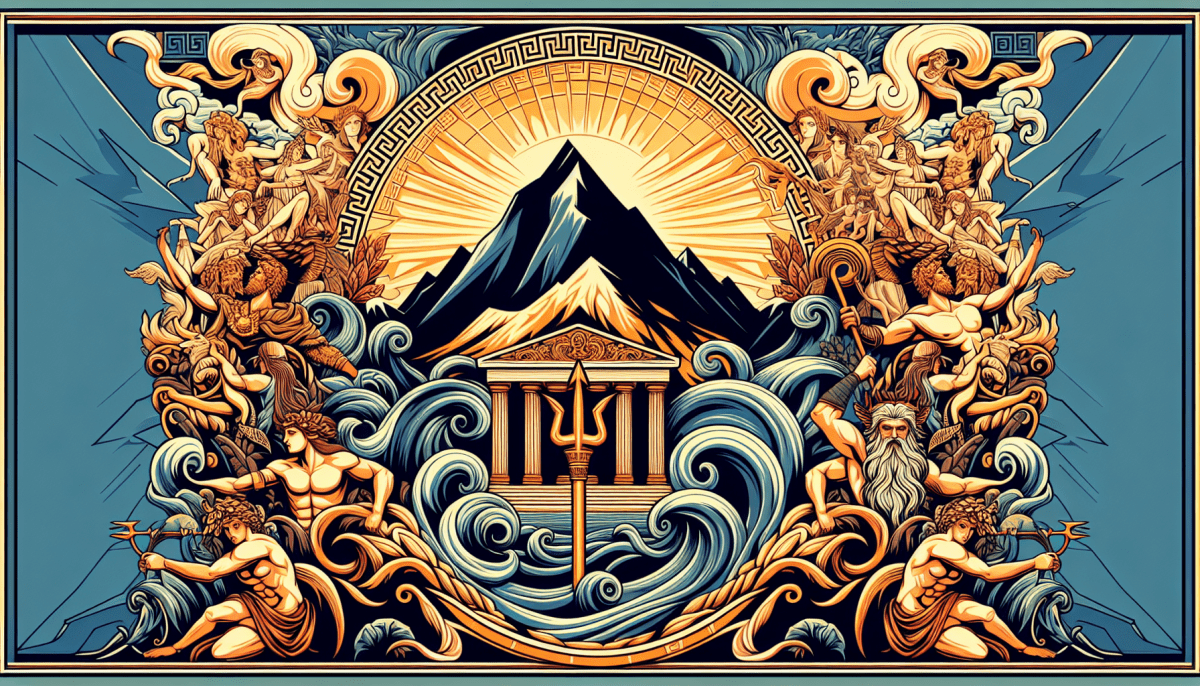
Greek mythology has roots that go way back, all the way to ancient times. It wasn’t just about gods and goddesses – it was a way for people to explain the world around them. If you’ve ever wondered why the sun rises or why seasons change, chances are you’d find answers in these old stories. These myths helped connect people with nature and the mysteries of life.
These tales were passed down through generations, often told around campfires or in the town square. Imagine gathering around with friends and family, with everyone hanging on to the storyteller's every word. As these stories traveled, they picked up local flavors and details, morphing into different versions. This mix helped shape a rich tapestry of gods like Zeus, Hera, and Poseidon, each with unique traits and adventures.
Ancient Greek culture played a huge role in the evolution of these myths. You could find them sprinkled throughout art, literature, and even rituals. They were more than just stories; they were a big part of everyday life. Temples were built to honor these divine beings, and festivals celebrated their myths. This connection to the divine gave people a sense of comfort and understanding in a world that could often feel chaotic.
Over time, these stories became intertwined with philosophy and moral lessons. Great thinkers like Homer and Hesiod rallied these myths into epic narratives that explored human nature and the universe. Their works helped solidify the place of mythology in Greek culture and paved the way for how we see these tales today. They focused on themes like love, betrayal, and heroism, making it easy for anyone to relate.
Key Gods and Goddesses
When diving into Greek mythology, several gods and goddesses stand out, each with their own stories, powers, and personalities. Let’s take a look at some of the most important figures that shaped these ancient tales.
First up is Zeus, the king of the gods. He’s known for his thunderbolt and ruling the skies. Zeus is powerful but also has a reputation for being quite the ladies' man. His many adventures are legendary and include plenty of drama!
Next, we have Hera, Zeus's wife and sister. She’s the goddess of marriage and family. Hera is strong and protective, often going to great lengths to look out for her own, especially when it comes to Zeus's various escapades. She embodies both loyalty and fierce independence.
Don't forget about Poseidon, the god of the sea. He’s not only responsible for oceans and earthquakes but also has a bit of a temper! Sailors often prayed to him for safe voyages, knowing full well of his power. His trident is as famous as he is, a symbol of his control over the waters.
Athena, the goddess of wisdom, stands out as a fierce protector of heroes. Known for her strategic mind and skill in battle, she represents intelligence and courage. Many looked to her for guidance and support during tough times, whether in war or daily life.
Famous Myths and Legends
Another iconic figure is Athena, the goddess of wisdom and warfare. Born from the head of Zeus, she is a symbol of intelligence and strategy. The story of her contest with Poseidon to become the patron of Athens is fascinating. Poseidon offered a saltwater spring, while Athena gifted the olive tree, which proved to be far more useful for the people. This myth highlights the importance of wisdom over brute strength.
Then there’s the tragic tale of Orpheus and Eurydice. Orpheus, a gifted musician, ventured into the Underworld to rescue his beloved Eurydice. His enchanting music swayed Hades and Persephone, but there was one catch: he couldn’t look back at her until they reached the surface. Sadly, he couldn’t resist and lost her forever. This story speaks to the themes of love and loss that resonate with so many.
And let’s not forget about the Trojan War and the infamous wooden horse trick. The Greeks built a giant horse, hiding soldiers inside, and left it outside the city of Troy as a “gift.” The Trojans brought it inside, and in the dead of night, the soldiers emerged to open the gates for their comrades. This clever strategy changed the course of history and shows how cunning can sometimes triumph over brute force.
Impact on Modern Culture
Greek mythology has left a huge mark on modern culture. You can see its influence everywhere, from movies and books to art and even brand names. Think of how many blockbuster films like “Clash of the Titans” tap into these ancient tales. It’s not just Hollywood—shows like “Hercules” or even the animated “Hercules” by Disney keep these stories alive and make them accessible to a whole new generation.
Literature is another area where Greek myths shine. Many authors pull from these age-old stories to add depth and richness to their writing. You’ll find references to gods and heroes in everything from fantasy novels to poetry. It adds layers to narratives and lets readers connect with timeless themes like love, betrayal, and the quest for power.
Don’t forget about art! Greek mythology has inspired countless painters, sculptures, and even modern graphic novels. Artists often use mythological themes to express emotions or explore complex ideas. When you visit a museum, pay attention to how many pieces showcase scenes from these legendary stories—it’s a glimpse into how much they’ve influenced creativity throughout the ages.
Even in everyday life, Greek mythology shows up in surprising ways. Many brands use mythological imagery or names to convey strength, beauty, or wisdom. Nike, for example, is named after the goddess of victory. It’s a clever way for companies to connect their products to powerful ideas that resonate with people, connecting myths to modern consumer culture.


