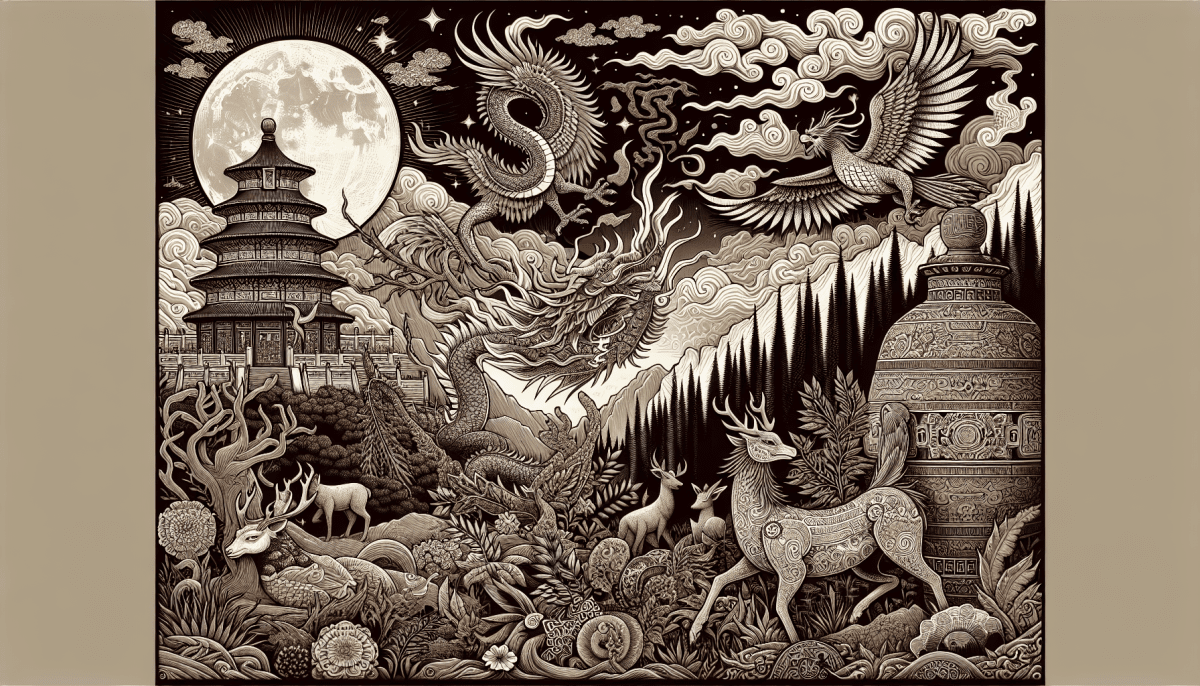
Asia is home to some of the most incredible legendary creatures you've ever heard of. From ancient tales to modern interpretations, these beings spark the imagination and evoke wonder. Let’s dive into a few of these fascinating creatures that have been part of Asian folklore for centuries.
First up is the Qilin, a gentle creature often depicted as a dragon-horse hybrid. Legend has it that this mythical beast appears during the reign of a wise leader. The Qilin is a symbol of prosperity and serenity, making it a beloved figure across China. It’s known for its kindness rather than fierceness, almost like a good omen wandering the earth.
Then there's the Aswang from the Philippines, a creature that brings a chill down your spine. This shape-shifting monster can transform from a beautiful woman into a terrifying beast at night. With its ability to suck the life out of victims, the Aswang features prominently in horror stories told around campfires. It’s a great example of how myths adapt to teach lessons about morality and fears.
Don't forget the Yeti, the legendary snowman of the Himalayas. Climbers and explorers keep claiming to see this giant creature roaming the snowy peaks. It's become a symbol of the mystery surrounding unexplored areas. While some think the Yeti might just be a myth, others believe it could be a leftover creature from ancient times—a real-life Bigfoot!
These legendary creatures tell us more than just spooky tales; they reflect the cultures and beliefs of the people who tell them. Whether they're protectors or nightmares, each creature adds a rich layer to the vibrant story of Asian myths. Keep an eye out for these legends; they’re more than just stories—they’re a part of the region's heart and soul!
Heroic Figures and Their Epic Tales
When you dive into Asian myths, you’ll bump into some seriously cool figures with epic stories. These heroic characters aren't just legends; they represent values and lessons that still resonate today. Let’s take a look at a few of the standout heroes and their jaw-dropping adventures.
First up is the legendary figure of Sun Wukong, also known as the Monkey King. This guy is a real firecracker! He’s not just super strong but also super clever. His journey to seek immortality is filled with wild trickery and battles against gods. Along the way, he learns that sometimes, it’s not just power that counts, but also friendship and loyalty.
Then we have the indomitable hero, Yue Fei, a general from ancient China. He’s famous for his fierce loyalty to his country and his determination to protect it. His story is all about honor, courage, and the sacrifices one makes for their homeland. It’s not just a tale of warfare; it’s a reminder that true heroism often comes with a heavy price.
Let’s not forget about the charming Monkey King from Japan, known as Urashima Taro. His adventure takes him to an underwater palace filled with magical creatures. He saves a turtle and gets whisked away to a world of beauty and wonder. But there’s a twist! His time there teaches him important lessons about time, loss, and the fleeting nature of happiness. Each tale, whether filled with action or wisdom, captures the imagination and brings these heroic figures to life.
Magic and Mysticism in Folklore
Magic and mysticism pop up in tons of Asian folklore, weaving through stories like a colorful thread. Each culture brings its own flavor to these tales, mixing ancient traditions with the wonders of the supernatural. From the mountains of China to the beaches of Indonesia, magic is a big part of how these stories connect with everyday life.
In many Asian myths, magic is tied to nature. You’ll find tales of spirits in rivers and trees, believed to protect the land or guide people. For example, in Japanese folklore, the kami are powerful spirits that bless the earth and remind everyone of the importance of nature. These stories not only explain the world but also teach respect for the environment.
Then, you have the legendary figures like the Chinese dragon. These majestic beings aren’t just symbols of strength; they are thought to bring rain and good harvests. People celebrate their power with festivals, believing that honoring these dragons helps ensure prosperity for the community. It shows how deeply magic intertwines with daily living.
Some tales go beyond just nature and creatures, diving into the human experience. Characters often embark on quests, armed with magical items or wisdom from mystical mentors. These adventures inspire real-life themes of bravery, friendship, and the fight against evil, reminding everyone that magic often shows up when we need it most.
Cultural Lessons from Ancient Myths
Asian myths are like a treasure chest filled with stories that teach us valuable lessons about life, relationships, and the world around us. Some of these ancient tales reflect the values and beliefs of different cultures, helping us understand how our ancestors viewed their lives and the challenges they faced.
Take the tale of the Japanese Shinto deity Amaterasu. This sun goddess hid in a cave, plunging the world into darkness. The other gods came together, using creativity and teamwork to coax her out. This myth shows the importance of unity and resilience in overcoming tough times. It reminds us that even when we face obstacles, working together can help us find light again.
Another example comes from Chinese mythology, particularly the story of the Monkey King, Sun Wukong. His adventures are filled with mischief, but they also highlight themes of humility and self-discovery. Sun Wukong learns that having power isn’t everything; it’s also about how you treat others and grow as a person. This lesson resonates even today as we navigate our own paths through life.
In Indian mythology, the tale of the Ramayana teaches about duty and honor. Prince Rama’s unwavering commitment to his wife Sita and his quest to rescue her from the demon king Ravana promotes values such as loyalty and courage. These stories inspire people to uphold their responsibilities and fight for what they believe in, no matter the challenges.
Through these myths, we see how cultures express their hopes, fears, and values. They keep the ancient wisdom alive and help us reflect on our own lives, reminding us of what truly matters as we navigate today's world.


